
An emergency root canal in NYC may be necessary when severe tooth pain, infection, swelling, or damage to a tooth indicates that the pulp inside the tooth is inflamed or infected. Tooth pain can sometimes come and go, but certain symptoms should not be ignored. Prompt evaluation by a dentist or endodontist can relieve pain, address infection, and may improve the chances of saving the natural tooth.
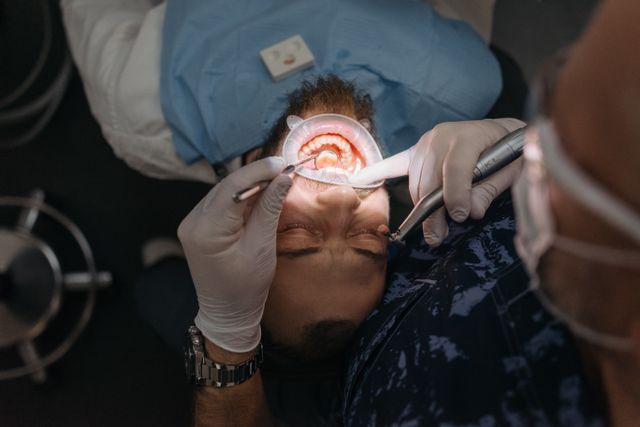
Root canal treatment is designed to remove inflamed or infected pulp from inside a tooth, clean and disinfect the root canal system, and seal the space to prevent further contamination. When symptoms suggest a serious pulp or root infection, waiting for the problem to resolve on its own can allow the condition to become more complicated.
When Is a Root Canal a Dental Emergency?
Not every toothache means that you need an emergency root canal. Temporary sensitivity, for example, can have several causes. However, persistent or severe symptoms should be evaluated promptly.
Signs that may indicate the need for urgent endodontic treatment include:
- Severe or persistent tooth pain
- Intense pain when chewing or biting
- Lingering sensitivity to hot or cold
- Swelling around a tooth or in the gums
- A pimple or bump on the gum near a painful tooth
- A cracked, fractured, or injured tooth accompanied by pain
- Increasing pressure or throbbing in a tooth
- Tenderness when the tooth is touched
- Facial or jaw swelling associated with a dental infection
These symptoms do not automatically mean that root canal treatment is necessary. An examination and appropriate dental imaging are needed to determine the source of the problem and whether the tooth can be treated endodontically.
Severe Tooth Pain That Does Not Go Away
One of the most obvious reasons to seek urgent dental care is significant tooth pain that persists or becomes progressively worse.
Pain associated with inflammation or infection of the dental pulp can be sharp, throbbing, aching, or difficult to pinpoint. It may interfere with eating, sleeping, or normal daily activities.
Some patients notice that the pain becomes particularly intense when they lie down at night. Others experience spontaneous pain without eating, drinking, or touching the tooth.
Persistent tooth pain should not simply be masked with pain medication for days or weeks. Medication may temporarily reduce symptoms, but it does not treat damaged or infected tissue inside the tooth.
Lingering Sensitivity to Hot or Cold
Brief tooth sensitivity does not always indicate a serious problem. However, sensitivity that continues well after a hot or cold food or beverage has been removed can indicate significant inflammation or damage to the pulp.
You should consider prompt evaluation if:
- Cold water produces intense pain that lingers
- Hot foods or beverages trigger prolonged discomfort
- Sensitivity has become progressively worse
- A previously comfortable tooth suddenly becomes extremely temperature-sensitive
An endodontist can perform diagnostic tests to determine whether the pulp is healthy, temporarily irritated, irreversibly inflamed, or no longer vital.
Pain When Biting or Chewing
A tooth that suddenly hurts when you bite down should also be evaluated.
Pain with biting can have several possible causes, including decay, a damaged restoration, inflammation around the root, or a cracked tooth. If the pulp has been damaged, root canal treatment may be necessary to save the tooth.
Cracks are particularly important to evaluate quickly because they can extend deeper into the tooth over time. The location and extent of a crack can influence whether the tooth can be successfully restored.
Swollen Gums or a Dental Abscess
Swelling near a painful tooth can indicate an infection around the root. An abscess may develop when bacteria reach the pulp and infection spreads into tissues surrounding the tooth.
Possible signs of an abscess include:
- Localized swelling around a tooth
- A tender or swollen gum
- A small pimple-like bump on the gum
- Pain or pressure when chewing
- Throbbing tooth pain
- Drainage or an unpleasant taste in the mouth
An abscess requires professional treatment. Depending on the diagnosis, treatment may involve root canal therapy, drainage, endodontic surgery, extraction, or another procedure.
When Facial Swelling Requires Immediate Medical Attention
 Dental infections can occasionally become serious medical emergencies.
If swelling is rapidly spreading into the face, jaw, neck, or areas around the eye, the situation requires urgent assessment. Difficulty breathing or swallowing is especially concerning.
Seek immediate emergency medical care if you experience:
- Difficulty breathing
- Difficulty swallowing because of swelling
- Severe or rapidly increasing facial or neck swelling
- Swelling that appears to be compromising the airway
- Severe difficulty opening the mouth
- Signs of serious systemic illness associated with a dental infection
These situations go beyond an ordinary toothache and should not wait for a routine dental appointment.
A Chipped, Cracked, or Injured Tooth
Dental trauma is another reason emergency root canal treatment may become necessary.
A fall, sports injury, accident, or biting unexpectedly on a hard object can fracture a tooth and damage its pulp. Sometimes the damage is immediately obvious. In other situations, a tooth may appear relatively normal but become painful or discolored later.
What Happens During an Emergency Root Canal?
The first step is determining whether root canal therapy is actually the appropriate treatment. The dentist or endodontist will evaluate the symptoms, examine the tooth, and typically take dental images.
If root canal treatment is indicated, the basic procedure generally involves:
- Numbing the tooth and surrounding area with local anesthesia.
- Creating an opening that provides access to the pulp chamber and root canals.
- Removing inflamed, infected, or damaged pulp tissue.
- Cleaning, shaping, and disinfecting the canal system.
- Filling and sealing the cleaned canals.
- Protecting the tooth with an appropriate temporary or permanent restoration.
Depending on the tooth and its condition, a permanent crown or another restoration may subsequently be recommended to protect the tooth and restore normal function.
Will Antibiotics Make the Infection Go Away?
Patients sometimes assume that antibiotics can replace dental treatment for an infected tooth. In many cases, they cannot.
For most localized pulpal and periapical dental conditions, definitive dental treatment is the priority. Antibiotics may be appropriate when an infection has systemic involvement, such as fever or malaise, or in certain other clinical circumstances.
Even when antibiotics are prescribed, they generally do not eliminate the underlying source of infection inside a tooth. The tooth still needs appropriate dental treatment.
Why You Shouldn’t Wait Until the Pain Becomes Unbearable
One potentially misleading feature of an infected tooth is that symptoms can change.
A severely painful tooth can sometimes become less painful if the pulp tissue inside the tooth dies. That reduction in pain does not necessarily mean the underlying problem has healed. Infection can remain around the root even when the tooth itself becomes less sensitive.
For that reason, improvement in pain should not be used as the only indication that a dental problem has resolved.
Early diagnosis can also give the dentist or endodontist more information about whether the natural tooth can be preserved before additional damage occurs.
Emergency Root Canal Treatment in Midtown Manhattan
If you have severe tooth pain, prolonged hot or cold sensitivity, pain when biting, swelling, or symptoms of a dental abscess, do not wait for the problem to become more severe.
Young Bui, DDS and the team at Bryant Park Endodontics provide root canal and endodontic treatment in Midtown Manhattan. An endodontic evaluation can identify the source of your pain, determine whether root canal treatment is necessary, and establish the appropriate treatment for saving the tooth whenever possible.
Contact Bryant Park Endodontics if you are experiencing significant tooth pain or believe you may need urgent root canal treatment in NYC.
Bryant Park Endodontics
Young Bui, DDS
30 East 40th Street Suite 1201
New York, NY 10016
Phone: 646-205-3045
Email: Drendo4u@yahoo.com
Website: youngbuidds.com