
Pulpectomy vs. root canal treatment is an important distinction for patients experiencing severe tooth pain, pulp inflammation, or dental infection. Although both procedures involve removing tissue from inside a tooth, they are not always identical in purpose, scope, or the steps performed during treatment. Understanding the difference can help patients make informed decisions when an endodontist recommends treatment to relieve pain and preserve a natural tooth.
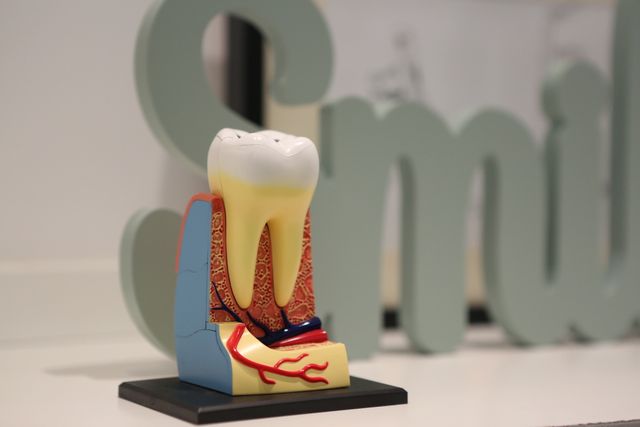
Both procedures address problems involving the dental pulp, the soft tissue inside a tooth containing nerves, blood vessels, and connective tissue. However, a pulpectomy focuses on removing the pulp, while complete root canal treatment also involves cleaning, shaping, disinfecting, and sealing the root canal system.
What Is a Pulpectomy?
A pulpectomy is a dental procedure in which the pulp tissue is removed from the pulp chamber and root canals of a tooth. It may be performed when the pulp has become severely inflamed, infected, or damaged and can no longer recover.
The purpose of a pulpectomy is to eliminate the diseased pulp tissue that may be responsible for significant pain or infection.
In permanent teeth, a pulpectomy may be performed as part of an emergency endodontic procedure when immediate pain relief is necessary but complete root canal treatment cannot be finished during the same appointment.
Pulpectomy is also used in pediatric dentistry to treat certain primary teeth, although the materials and treatment objectives may differ from those used for permanent teeth.
When Might a Pulpectomy Be Necessary?
A dentist or endodontist may consider a pulpectomy when a patient experiences:
- Severe tooth pain caused by irreversible pulp inflammation
- Extensive decay that has reached the pulp
- Infection involving the tissue inside the tooth
- Significant dental trauma affecting pulp health
- Persistent pain requiring urgent endodontic intervention
The decision depends on the diagnosis, condition of the tooth, and whether the procedure is intended as an initial stage of root canal therapy or a complete treatment for a primary tooth.
What Is Root Canal Treatment?
Root canal treatment is a comprehensive endodontic procedure designed to remove inflamed or infected pulp, clean and disinfect the root canal system, and fill and seal the canals.
The goal is to eliminate the source of inflammation or infection while preserving the natural tooth whenever possible.
Unlike a pulpectomy performed as an initial emergency procedure, complete root canal treatment includes the additional steps needed to prepare and seal the canals.
What Happens During Root Canal Treatment?
A typical root canal procedure involves several important steps:
- Diagnosis and examination: The dentist or endodontist evaluates the tooth, reviews symptoms, and takes appropriate dental images.
- Local anesthesia: The area is numbed to help maintain patient comfort.
- Access to the pulp: A small opening is created to reach the pulp chamber and root canals.
- Pulp removal: Inflamed, infected, or damaged pulp tissue is removed.
- Cleaning and shaping: The canals are carefully prepared and disinfected.
- Filling and sealing: The cleaned canals are filled with a biocompatible material and sealed.
- Final restoration: The tooth is restored with an appropriate filling, crown, or other restoration to protect its structure and function.
Depending on the complexity of the tooth and the clinical circumstances, treatment may be completed in one appointment or require additional visits.
Pulpectomy vs. Root Canal Treatment: Key Differences
Although the procedures are closely related, their objectives and completion requirements can differ.
| Factor | Pulpectomy | Root Canal Treatment |
|---|---|---|
| Primary purpose | Remove inflamed or infected pulp tissue | Remove diseased pulp and complete endodontic treatment |
| Pulp removal | Yes | Yes |
| Canal cleaning | May be performed to a limited or more extensive degree | Comprehensive cleaning and shaping |
| Canal sealing | Not necessarily completed during an emergency pulpectomy | Canals are filled and sealed |
| Emergency use | May be used for urgent pain relief | May also be performed during an emergency visit |
| Permanent teeth | Often part of a staged root canal procedure | Definitive treatment when the tooth is suitable for preservation |
| Primary teeth | Can be a definitive treatment using appropriate materials | Conventional permanent-tooth techniques are generally different |
| Additional treatment | Often necessary for permanent teeth | Usually requires an appropriate final tooth restoration |
The distinction is particularly important when a pulpectomy is performed as an emergency procedure. Removing the painful pulp may provide relief, but the tooth generally still needs the remaining stages of root canal therapy.
Is a Pulpectomy the Same as an Emergency Root Canal?
Patients sometimes hear the terms pulpectomy and emergency root canal used interchangeably. However, they do not necessarily describe the same completed procedure.
During an emergency dental appointment, an endodontist may remove inflamed or infected pulp tissue to address severe pain. If there is insufficient time or a clinical reason not to complete the entire root canal procedure, the tooth may be temporarily sealed until definitive treatment can be performed.
This approach can provide important relief while allowing the remaining treatment to be completed at a subsequent appointment.
However, not every dental emergency requires a pulpectomy. Some patients can undergo complete root canal treatment during the initial visit, while others may need a different intervention depending on the diagnosis.
Does a Pulpectomy Relieve Tooth Pain?
A pulpectomy can significantly reduce pain when the source of discomfort is inflamed or infected pulp tissue.
For patients experiencing severe pulp-related pain, removing the affected tissue may eliminate the primary source of irritation.
However, some tenderness may remain after the procedure, particularly if inflammation or infection has affected tissues surrounding the root.
It is also important to recognize that pain relief does not necessarily mean the tooth has received complete treatment.
A permanent tooth that has undergone an emergency pulpectomy generally requires follow-up endodontic care to clean, disinfect, fill, and seal the root canal system appropriately.
Why Is Completing Root Canal Treatment Important?
When a pulpectomy is performed as an initial stage of treatment in a permanent tooth, completing the remaining procedure is essential.
An incompletely treated root canal system may contain bacteria or become contaminated again. Without proper cleaning and sealing, infection can persist or develop later.
The final restoration is also important because it helps protect the tooth against leakage, fracture, and additional damage.
Patients should follow the treatment schedule recommended by their endodontist, even if their pain has disappeared after the initial procedure.
Are Pulpectomy and Pulpotomy the Same Thing?
Another common source of confusion involves the difference between a pulpectomy and a pulpotomy.
A pulpotomy removes pulp tissue from the crown portion of a tooth while retaining pulp tissue within the roots when clinically appropriate.
A pulpectomy, by contrast, removes pulp tissue from both the pulp chamber and the root canals.
Pulpotomy may be used in selected primary and permanent teeth, depending on the diagnosis and the health of the remaining pulp tissue.
Because the procedures have different indications, an accurate diagnosis is necessary before determining which approach is appropriate.
Which Procedure Is Better for Saving a Natural Tooth?
The most appropriate treatment depends on the condition of the tooth, the health of the pulp, and the overall treatment objective.
For a permanent tooth with irreversible pulp inflammation or infection, complete root canal therapy is often the definitive approach when the tooth is restorable.
An emergency pulpectomy may be useful when immediate treatment is needed to address pain, but it should generally be considered a step toward completing the necessary endodontic care.
An endodontist will also evaluate whether the tooth has sufficient healthy structure remaining to support a permanent restoration.
If a tooth has a severe fracture, extensive decay, or other damage that makes successful restoration unlikely, alternative treatment may be recommended.
When Should You See an Endodontist in NYC?
Persistent or severe tooth pain should not be ignored, especially when symptoms suggest inflammation or infection involving the dental pulp.
You should arrange a dental evaluation if you experience:
- Severe or throbbing tooth pain
- Lingering sensitivity to hot or cold
- Pain when chewing or biting
- Swelling or tenderness around a tooth
- A cracked or injured tooth
- A gum swelling or recurring pimple near a tooth
These symptoms can have several causes and do not automatically indicate the need for root canal therapy. An endodontic examination can determine whether a pulpectomy, complete root canal treatment, or another procedure is appropriate.
Significant facial swelling, fever with worsening infection, or difficulty opening the mouth warrants urgent assessment. Difficulty breathing or swallowing requires immediate emergency medical care.
Expert Root Canal and Endodontic Treatment in Midtown Manhattan
Understanding the difference between a pulpectomy and root canal treatment can help patients recognize why an initial emergency procedure may not be the final step in saving a tooth.
Young Bui, DDS and the team at Bryant Park Endodontics provide specialized root canal and endodontic treatment in Midtown Manhattan. Whether you are experiencing severe tooth pain, have been referred for root canal therapy, or need an evaluation of a previously treated tooth, appropriate endodontic care can help address the underlying problem and preserve your natural teeth whenever possible.
Contact Bryant Park Endodontics to schedule an evaluation and discuss the treatment options best suited to your dental needs.
Bryant Park Endodontics
Young Bui, DDS
30 East 40th Street Suite 1201
New York, NY 10016
Phone: 646-205-3045
Email: Drendo4u@yahoo.com
Website: youngbuidds.com