



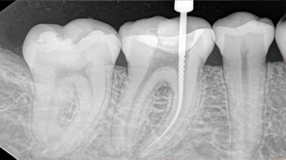
Welcome to Bryant Park Endodontics
Dr. Bui was recognized on CBS’s American Health Front on Oct 1, 2016
Having performed over 15,000 root canals, Dr. Young Bui is one of Manhattan’s premier endodontists – a specialist in the art of root canal therapy.
Our goal is to provide our patients with the most technologically advanced endodontic treatment available anywhere. Our “make no compromises” philosophy places our practice in the top 1% of endodontic practices, nationwide.
We are committed to providing you with a comfortable atmosphere during treatment and we strive to make every visit to our office as pleasant as possible. Our aim is to deliver gentle endodontic care to our patients.
By referring you to our office, your dentist has shown their concern that you receive the finest endodontic care possible. Our goal is to provide unsurpassed quality in a compassionate environment of professionalism and clinical excellence. We hope to exceed your expectations.
Root Canal Specialist and Endodontist in NYC
Bryant Park Endodontics provides advanced root canal treatment and endodontic care in Midtown Manhattan, New York City. Dr. Young Bui is an experienced NYC endodontist who has performed more than 15,000 root canal procedures, helping patients preserve natural teeth and treat dental pain, infection and other conditions affecting the tooth pulp.
Patients seeking a root canal specialist in NYC may be referred by their general dentist or contact the practice directly for evaluation and treatment. Our Manhattan office provides root canal therapy, diagnosis of tooth pain, treatment of infected or damaged teeth, and care for complex endodontic conditions using modern technology and techniques.
If you are experiencing severe tooth pain, prolonged sensitivity, swelling, or have been told that you may need a root canal, contact Bryant Park Endodontics at 30 East 40th Street in Midtown Manhattan to schedule an evaluation with Dr. Young Bui.
Emergency Root Canal in NYC: Signs You Shouldn’t Wait for Treatment
An emergency root canal in NYC may be necessary when severe tooth pain, infection, swelling, or damage to a tooth indicates that the pulp inside the tooth is inflamed or infected. Tooth pain can sometimes come and go, but certain symptoms should not be ignored. Prompt evaluation by a dentist or endodontist can relieve pain, address infection, and may improve the chances of saving the natural tooth.
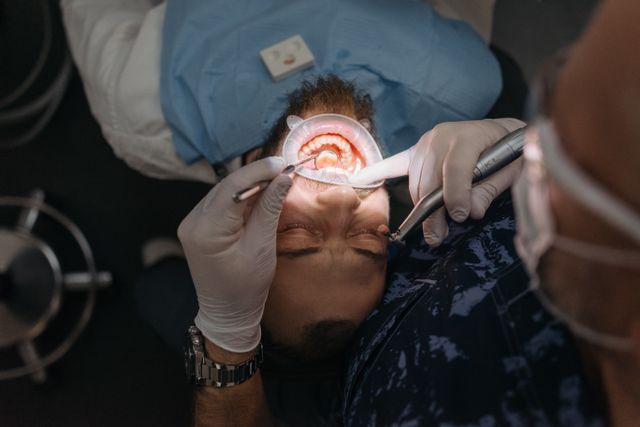
Root canal treatment is designed to remove inflamed or infected pulp from inside a tooth, clean and disinfect the root canal system, and seal the space to prevent further contamination. When symptoms suggest a serious pulp or root infection, waiting for the problem to resolve on its own can allow the condition to become more complicated.
When Is a Root Canal a Dental Emergency?
Not every toothache means that you need an emergency root canal. Temporary sensitivity, for example, can have several causes. However, persistent or severe symptoms should be evaluated promptly.
Signs that may indicate the need for urgent endodontic treatment include:
- Severe or persistent tooth pain
- Intense pain when chewing or biting
- Lingering sensitivity to hot or cold
- Swelling around a tooth or in the gums
- A pimple or bump on the gum near a painful tooth
- A cracked, fractured, or injured tooth accompanied by pain
- Increasing pressure or throbbing in a tooth
- Tenderness when the tooth is touched
- Facial or jaw swelling associated with a dental infection
These symptoms do not automatically mean that root canal treatment is necessary. An examination and appropriate dental imaging are needed to determine the source of the problem and whether the tooth can be treated endodontically.
Severe Tooth Pain That Does Not Go Away
One of the most obvious reasons to seek urgent dental care is significant tooth pain that persists or becomes progressively worse.
Pain associated with inflammation or infection of the dental pulp can be sharp, throbbing, aching, or difficult to pinpoint. It may interfere with eating, sleeping, or normal daily activities.
Some patients notice that the pain becomes particularly intense when they lie down at night. Others experience spontaneous pain without eating, drinking, or touching the tooth.
Persistent tooth pain should not simply be masked with pain medication for days or weeks. Medication may temporarily reduce symptoms, but it does not treat damaged or infected tissue inside the tooth.
Lingering Sensitivity to Hot or Cold
Brief tooth sensitivity does not always indicate a serious problem. However, sensitivity that continues well after a hot or cold food or beverage has been removed can indicate significant inflammation or damage to the pulp.
You should consider prompt evaluation if:
- Cold water produces intense pain that lingers
- Hot foods or beverages trigger prolonged discomfort
- Sensitivity has become progressively worse
- A previously comfortable tooth suddenly becomes extremely temperature-sensitive
An endodontist can perform diagnostic tests to determine whether the pulp is healthy, temporarily irritated, irreversibly inflamed, or no longer vital.
Pain When Biting or Chewing
A tooth that suddenly hurts when you bite down should also be evaluated.
Pain with biting can have several possible causes, including decay, a damaged restoration, inflammation around the root, or a cracked tooth. If the pulp has been damaged, root canal treatment may be necessary to save the tooth.
Cracks are particularly important to evaluate quickly because they can extend deeper into the tooth over time. The location and extent of a crack can influence whether the tooth can be successfully restored.
Swollen Gums or a Dental Abscess
Swelling near a painful tooth can indicate an infection around the root. An abscess may develop when bacteria reach the pulp and infection spreads into tissues surrounding the tooth.
Possible signs of an abscess include:
- Localized swelling around a tooth
- A tender or swollen gum
- A small pimple-like bump on the gum
- Pain or pressure when chewing
- Throbbing tooth pain
- Drainage or an unpleasant taste in the mouth
An abscess requires professional treatment. Depending on the diagnosis, treatment may involve root canal therapy, drainage, endodontic surgery, extraction, or another procedure.
When Facial Swelling Requires Immediate Medical Attention
 Dental infections can occasionally become serious medical emergencies.
If swelling is rapidly spreading into the face, jaw, neck, or areas around the eye, the situation requires urgent assessment. Difficulty breathing or swallowing is especially concerning.
Seek immediate emergency medical care if you experience:
- Difficulty breathing
- Difficulty swallowing because of swelling
- Severe or rapidly increasing facial or neck swelling
- Swelling that appears to be compromising the airway
- Severe difficulty opening the mouth
- Signs of serious systemic illness associated with a dental infection
These situations go beyond an ordinary toothache and should not wait for a routine dental appointment.
A Chipped, Cracked, or Injured Tooth
Dental trauma is another reason emergency root canal treatment may become necessary.
A fall, sports injury, accident, or biting unexpectedly on a hard object can fracture a tooth and damage its pulp. Sometimes the damage is immediately obvious. In other situations, a tooth may appear relatively normal but become painful or discolored later.
What Happens During an Emergency Root Canal?
The first step is determining whether root canal therapy is actually the appropriate treatment. The dentist or endodontist will evaluate the symptoms, examine the tooth, and typically take dental images.
If root canal treatment is indicated, the basic procedure generally involves:
- Numbing the tooth and surrounding area with local anesthesia.
- Creating an opening that provides access to the pulp chamber and root canals.
- Removing inflamed, infected, or damaged pulp tissue.
- Cleaning, shaping, and disinfecting the canal system.
- Filling and sealing the cleaned canals.
- Protecting the tooth with an appropriate temporary or permanent restoration.
Depending on the tooth and its condition, a permanent crown or another restoration may subsequently be recommended to protect the tooth and restore normal function.
Will Antibiotics Make the Infection Go Away?
Patients sometimes assume that antibiotics can replace dental treatment for an infected tooth. In many cases, they cannot.
For most localized pulpal and periapical dental conditions, definitive dental treatment is the priority. Antibiotics may be appropriate when an infection has systemic involvement, such as fever or malaise, or in certain other clinical circumstances.
Even when antibiotics are prescribed, they generally do not eliminate the underlying source of infection inside a tooth. The tooth still needs appropriate dental treatment.
Why You Shouldn’t Wait Until the Pain Becomes Unbearable
One potentially misleading feature of an infected tooth is that symptoms can change.
A severely painful tooth can sometimes become less painful if the pulp tissue inside the tooth dies. That reduction in pain does not necessarily mean the underlying problem has healed. Infection can remain around the root even when the tooth itself becomes less sensitive.
For that reason, improvement in pain should not be used as the only indication that a dental problem has resolved.
Early diagnosis can also give the dentist or endodontist more information about whether the natural tooth can be preserved before additional damage occurs.
Emergency Root Canal Treatment in Midtown Manhattan
If you have severe tooth pain, prolonged hot or cold sensitivity, pain when biting, swelling, or symptoms of a dental abscess, do not wait for the problem to become more severe.
Young Bui, DDS and the team at Bryant Park Endodontics provide root canal and endodontic treatment in Midtown Manhattan. An endodontic evaluation can identify the source of your pain, determine whether root canal treatment is necessary, and establish the appropriate treatment for saving the tooth whenever possible.
Contact Bryant Park Endodontics if you are experiencing significant tooth pain or believe you may need urgent root canal treatment in NYC.
Bryant Park Endodontics
Young Bui, DDS
30 East 40th Street Suite 1201
New York, NY 10016
Phone: 646-205-3045
Email: Drendo4u@yahoo.com
Website: youngbuidds.com
How Much Does a Root Canal Cost in NYC Without Insurance?
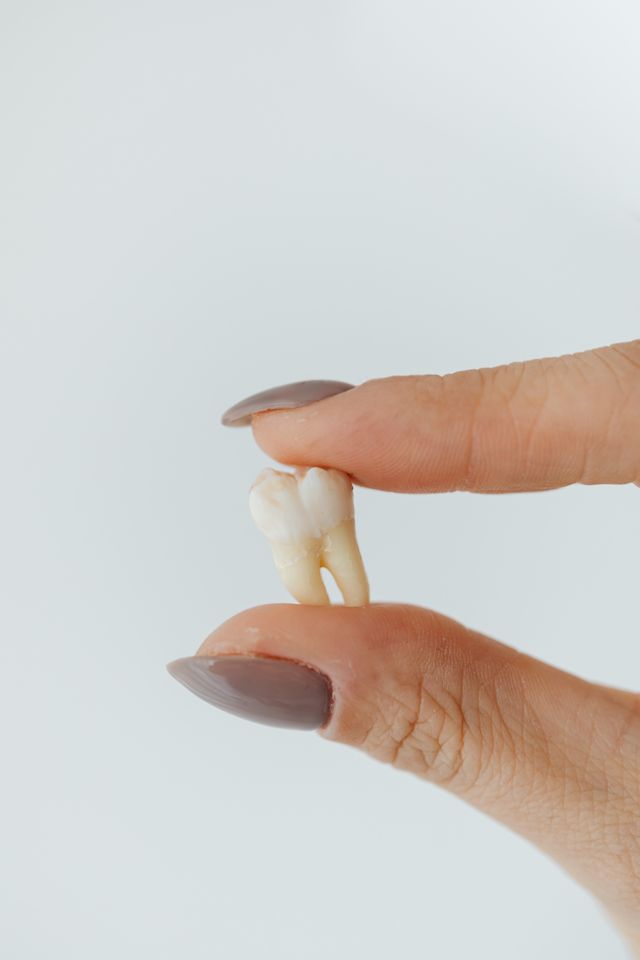 The cost of a root canal in NYC without insurance can vary considerably depending on which tooth needs treatment, the complexity of the root canal system, and whether the procedure is performed by a general dentist or an endodontist. For patients paying out of pocket, understanding what affects the price can make it easier to plan for treatment and avoid delaying care because of uncertainty about cost.
In New York City, a root canal procedure may cost anywhere from roughly $700 to more than $2,500 per tooth, with many Manhattan fees falling toward the higher end of national averages. Front teeth are generally less expensive to treat, while molars typically cost more because they often contain multiple canals and can require considerably more time and technical work.
It is also important to understand that the quoted price for a root canal may not include the final restoration, such as a filling, core buildup, or dental crown.
Average Root Canal Cost in NYC Without Dental Insurance
There is no single price for root canal treatment because every tooth and clinical situation is different. However, an uninsured patient in New York City might encounter approximate fees such as:
- Front tooth root canal: approximately $700 to $1,500
- Premolar root canal: approximately $1,000 to $1,800
- Molar root canal: approximately $1,500 to $2,500 or more
These ranges are intended only as general estimates. Published Manhattan pricing varies substantially among practices, and the American Association of Endodontists notes that the tooth being treated and the complexity of the case are major factors in determining cost.
A dentist or endodontist must examine the tooth and review appropriate dental imaging before giving an accurate treatment estimate.
Why Does the Tooth Being Treated Affect the Price?
One of the biggest factors affecting root canal cost is the location of the tooth.
Front Teeth
Incisors and canine teeth commonly have a simpler root canal anatomy than posterior teeth. Because fewer canals may need to be located, cleaned, shaped, disinfected, and sealed, treatment can be less complex and therefore less expensive.
Premolars
Premolars may contain one or more canals and can vary considerably in their internal anatomy. Their cost commonly falls between the cost of treating a front tooth and a molar.
Molars
Molars are generally the most expensive teeth to treat endodontically. They commonly have multiple roots and canals, and their location toward the back of the mouth can make treatment more technically demanding. The American Association of Endodontists specifically notes that molars are generally more difficult to treat and therefore usually have higher treatment fees.
What Else Can Affect the Cost of a Root Canal?
The number of canals is only one consideration. Several other factors can influence the final cost of treatment.
- Complex root anatomy: Narrow, curved, calcified, or unusually shaped canals may make treatment more challenging.
- Previous dental work: Crowns, large fillings, posts, and other restorations can sometimes affect access to the root canal system.
- Severity of infection: The condition of the tooth and surrounding tissues may affect the treatment required.
- Root canal retreatment: Treating a tooth that previously underwent root canal therapy can be more complicated than performing an initial root canal.
- Emergency treatment: The circumstances and timing of an emergency visit may affect the overall treatment charges.
- Specialist care: Treatment performed by an endodontist may have a different fee structure because endodontists have additional specialty training focused on diagnosing tooth pain and performing endodontic procedures.
Does the Root Canal Price Include a Crown?
This is an important question to ask before treatment. The price quoted for a root canal frequently represents the endodontic procedure itself. A permanent restoration may be a separate charge.
After root canal therapy, the tooth needs to be properly restored. Depending on the tooth and how much healthy tooth structure remains, this could involve a filling, buildup, crown, or another type of restoration. Posterior teeth frequently require substantial protection because they are exposed to significant chewing forces.
In Manhattan, a dental crown can add $1,000 or considerably more to the total cost of restoring a tooth, depending on the dentist, material, and complexity of the restoration.
Patients paying without insurance should therefore ask whether an estimate includes:
- Consultation or examination
- Dental X-rays or other imaging
- Root canal treatment
- Temporary restoration
- Core buildup
- Permanent filling or crown
- Follow-up visits
Knowing exactly what is included makes it much easier to compare treatment estimates accurately.
Is It Cheaper to Extract the Tooth Instead?
An extraction may initially cost less than root canal treatment, but comparing only the immediate procedure price can be misleading.
Once a permanent tooth is removed, replacing it may require a dental implant, bridge, or another prosthetic treatment. The American Association of Endodontists notes that extraction followed by replacement of the missing tooth can ultimately cost more than endodontic treatment and restoration of the natural tooth.
Whenever a tooth can reasonably be saved, preserving the natural tooth can provide important functional benefits and may avoid the additional procedures associated with replacing a missing tooth.
What If You Need a Root Canal but Have No Dental Insurance?
Not having dental insurance does not necessarily mean treatment should be postponed. If you have been given a root canal recommendation, ask the dental office for a detailed self-pay estimate.
Useful questions include:
- What is the total self-pay price for the root canal?
- Are the examination and X-rays included?
- Will I need a crown afterward?
- Is the crown included in this estimate or billed separately?
- Are payment arrangements or financing options available?
- Are there additional charges if the case requires more complex treatment?
Obtaining a complete treatment estimate is particularly important in NYC because fees can differ significantly between offices.
Why Delaying a Needed Root Canal Can Become More Expensive
Cost concerns sometimes cause patients to postpone treatment. Unfortunately, a tooth with inflamed or infected pulp generally does not become healthier simply because the symptoms temporarily improve.
Root canal treatment removes the inflamed or infected pulp, cleans and disinfects the canal system, and seals the space inside the tooth. The objective is to eliminate the source of the problem while preserving the natural tooth.
Waiting can allow the dental problem to progress. Depending on the condition of the tooth, this could eventually result in worsening pain, swelling, infection, or loss of a tooth that might previously have been treatable.
Get an Evaluation for Root Canal Treatment in NYC
If you have persistent tooth pain, sensitivity to hot or cold, discomfort when biting, swelling, or have been told that you may need a root canal, an endodontic evaluation can determine the appropriate treatment and provide a specific estimate based on your tooth.
Young Bui, DDS and the team at Bryant Park Endodontics provide root canal and endodontic treatment in Midtown Manhattan. Contact the office to schedule an evaluation and discuss the treatment options and costs associated with your individual case.
Bryant Park Endodontics
Young Bui, DDS
30 East 40th Street Suite 1201
New York, NY 10016
Phone: 646-205-3045
Email: Drendo4u@yahoo.com
Website: www.youngbuidds.com
Root Canal Specialist in NYC: When Should You See an Endodontist?
 A root canal specialist in NYC can diagnose and treat tooth pain, dental infections, damaged tooth pulp, cracked teeth, and other problems that may threaten the health of your natural teeth. While your general dentist is often the first professional you see for routine dental care, certain symptoms and more complex dental problems may require the advanced training of an endodontist.
Endodontists specialize in diagnosing tooth pain and treating conditions involving the dental pulp and tissues surrounding the roots of teeth. According to the American Association of Endodontists, endodontists complete additional specialized education beyond dental school, with training focused on diagnosing tooth pain, performing root canal treatment, and treating problems involving the interior of teeth.
Understanding when to see an endodontist can help you receive appropriate treatment before an infection or injury becomes more serious.
What Is an Endodontist?
An endodontist is a dentist who has completed advanced specialty training in endodontics. Although root canal therapy is the procedure most commonly associated with endodontists, their expertise extends to diagnosing difficult tooth pain, treating dental trauma, managing previously treated teeth, and performing other procedures designed to preserve natural teeth.
Endodontists frequently treat complex cases because of their specialized training and experience with the internal anatomy of teeth. They may also use technologies such as digital radiography, three-dimensional imaging, and dental operating microscopes to visualize small and complicated root canal structures.
When Should You See a Root Canal Specialist?
Not every toothache requires root canal treatment. However, persistent or severe symptoms should not be ignored. The American Association of Endodontists recommends evaluation when patients experience ongoing tooth pain, significant temperature sensitivity, dental trauma, or swelling around a tooth, gums, or face.
Common reasons to see an endodontist include:
- Severe or persistent tooth pain
- Lingering sensitivity to hot or cold
- Pain when biting or chewing
- A cracked, chipped, or injured tooth
- Swelling or tenderness around a tooth
- A dental abscess or pimple-like bump on the gums
- Deep tooth decay that has reached or approached the pulp
- Problems with a tooth that previously received root canal treatment
- A dentist’s recommendation for root canal therapy
Persistent Tooth Pain
Tooth pain is one of the most common reasons patients seek endodontic care. Pain may be sharp, throbbing, aching, or triggered by pressure.
Why Tooth Pain Should Be Evaluated
Pain can result from several dental conditions, including decay, cracks, infection, or inflammation inside the tooth. Persistent pain does not automatically mean you need a root canal, which is why an accurate diagnosis is important.
An endodontist can evaluate the affected tooth and determine whether the pulp is healthy, temporarily irritated, or irreversibly damaged.
Lingering Sensitivity to Hot and Cold
Brief sensitivity does not necessarily indicate a serious problem. However, sensitivity that continues after the hot or cold stimulus has been removed can indicate damage or inflammation within the dental pulp.
The American Association of Endodontists identifies lingering temperature sensitivity as one symptom that can be associated with irreversible pulp damage and may warrant prompt evaluation.
Swelling, Infection, or a Dental Abscess
Swelling around a tooth or gum can indicate an infection that requires professional treatment. An abscess occurs when infection develops around a tooth or its root and may cause:
- Severe or throbbing tooth pain
- Swollen or tender gums
- Facial swelling
- Pain or pressure when biting
- A small bump or pimple on the gum
- An unpleasant taste if drainage occurs
Dental infections should be evaluated promptly. Treating the source of the infection may make it possible to preserve the affected tooth.
Cracked or Injured Teeth
A tooth does not need to have a large cavity to develop pulp damage. Cracks, fractures, sports injuries, falls, and other forms of dental trauma can damage the pulp even when there is relatively little visible damage on the outside of the tooth.
Endodontists treat cracked and traumatically injured teeth and can determine whether the pulp has been compromised.
When a Previous Root Canal Tooth Starts Hurting
Root canal treatment is designed to preserve a natural tooth, but occasionally a previously treated tooth develops new symptoms months or even years later.
Possible causes can include:
- Previously untreated or difficult-to-detect canal anatomy
- New tooth decay
- A damaged or leaking restoration
- A new crack or fracture
- Reinfection of the root canal system
Depending on the condition of the tooth, endodontic retreatment or another procedure may provide an opportunity to save it.
What Happens During Root Canal Treatment?
If examination and diagnostic testing determine that root canal therapy is appropriate, the objective is to remove inflamed or infected pulp while preserving the natural tooth.
A typical treatment generally includes:
- Examining the tooth and reviewing diagnostic images
- Administering local anesthesia
- Creating a small opening to access the pulp chamber
- Removing inflamed, infected, or damaged pulp tissue
- Cleaning, disinfecting, and shaping the root canals
- Filling and sealing the cleaned canals
- Restoring and protecting the tooth as appropriate
Root canal treatment is specifically designed to eliminate infection from the root canal system, help prevent reinfection, and preserve the natural tooth.
Why Saving Your Natural Tooth Matters
When a tooth can predictably be preserved, root canal therapy can allow you to retain your natural tooth rather than removing it.
Keeping a natural tooth can help maintain:
- Normal biting and chewing function
- Natural appearance
- Proper positioning of neighboring teeth
- Normal biting force and sensation
With appropriate treatment, restoration, oral hygiene, and ongoing dental care, a root canal-treated tooth can continue functioning for many years.
Finding a Root Canal Specialist in NYC
If you have persistent tooth pain, temperature sensitivity, swelling, a cracked tooth, or have been told that you may need root canal treatment, an endodontic evaluation can help determine the source of the problem and whether your natural tooth can be saved.
At Bryant Park Endodontics in Midtown Manhattan, Young Bui, DDS and the dental team provide root canal and endodontic treatment for patients in New York City. The goal is to accurately diagnose the source of dental pain, treat infection or inflammation when necessary, and preserve the natural tooth whenever clinically appropriate.
Schedule an Endodontic Evaluation in New York City
Don’t wait for persistent tooth pain or sensitivity to become more severe. If you are experiencing symptoms that may indicate a problem inside your tooth, contact Bryant Park Endodontics to arrange an evaluation and learn about your treatment options.
Bryant Park Endodontics
Young Bui, DDS
30 East 40th Street Suite 1201
New York, NY 10016
Phone: 646-205-3045
Email: Drendo4u@yahoo.com
Website: https://youngbuidds.com/
Why Regular Dental Checkups Help Prevent Root Canals
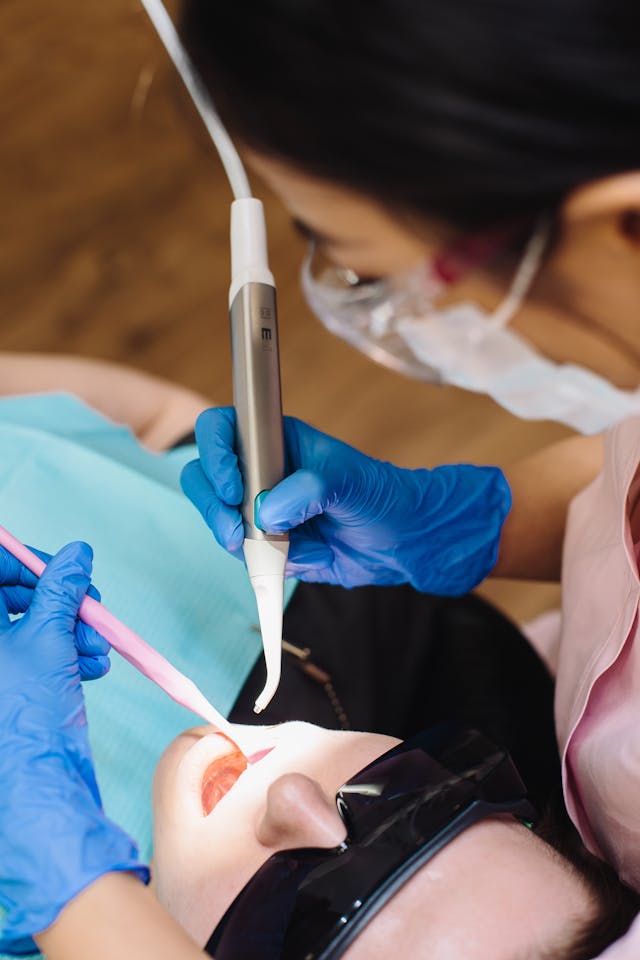 This blog explores why regular dental checkups help prevent root canals and its significance in modern dentistry. Root canal therapy is often misunderstood, yet it remains one of the most effective ways to save a natural tooth from extraction. By addressing infections within the tooth pulp, this procedure restores oral health and prevents further complications.
When Is a Root Canal Necessary?
Root canals are necessary when the pulp inside your tooth becomes infected or damaged. This can occur due to deep decay, repeated dental procedures on the same tooth, or trauma. Symptoms such as severe pain, prolonged sensitivity, and swelling in the gums often indicate the need for this procedure.
Understanding the Root Canal Procedure
- Diagnosis: During your initial consultation, X-rays and a thorough examination help identify the affected tooth and the extent of the damage.
- Procedure: The infected pulp is removed, and the canals are cleaned, shaped, and sealed to protect against further infection.
Benefits of Choosing Root Canal Therapy
- Minimized Pain: Modern technology and local anesthesia make root canals virtually pain-free.
- Preserving Natural Teeth: Unlike extractions, root canals allow you to keep your natural tooth structure intact.
- Long-Term Success: With proper care, a root canal-treated tooth can last a lifetime.
Post-Treatment Care for Root Canals
After the procedure, it’s essential to follow your dentist’s instructions for recovery. Maintain good oral hygiene, avoid chewing on the treated tooth until it’s restored with a crown, and attend follow-up appointments to monitor healing.
Root Canals vs. Extractions: Which is Better?
Root canals are often a better option than extractions because they preserve the integrity of your jawbone and surrounding teeth. Extraction, on the other hand, can lead to complications like shifting teeth and the need for costly replacements like implants.
Contact Us Today
Ease your anxiety with expert care. Dr. Young Bui, DDS specializes in pain-free root canals—call to schedule today!
Young Bui, DDS
30 East 40th Street Suite 1201
New York, NY 10016
646-205-3045
Drendo4u@yahoo.com
Managing Anxiety Before a Root Canal Procedure
Managing anxiety before a root canal procedure is essential for ensuring a calm, positive experience and a smooth recovery. Dental anxiety is incredibly common—especially when it comes to endodontic treatments like root canals. Fortunately, modern dentistry offers several strategies to help you feel more relaxed and in control before and during your appointment.

Understanding the Root Canal Process
A key step in managing anxiety is understanding what the procedure actually involves. Many people fear root canals because of outdated information or misconceptions.
- Painless Procedure: Thanks to local anesthesia and modern techniques, most root canals are no more painful than a routine dental filling.
- Quick and Effective: The majority of root canals can be completed in one or two appointments, with minimal downtime.
- Tooth-Saving: A root canal helps preserve your natural tooth, prevent extraction, and eliminate infection or pain.
Knowing what to expect can take much of the fear out of the unknown.
Tips for Reducing Dental Anxiety Before a Root Canal
-
Speak With Your Endodontist
Clear communication with your dental provider is crucial. Discuss your concerns in advance—let them know if you have had a bad experience or if you’re feeling particularly nervous. A good endodontist will take the time to explain each step of the procedure and tailor your visit to your comfort level.
-
Practice Breathing and Relaxation Techniques
Deep breathing, mindfulness, or guided meditation exercises can help you stay calm leading up to and during your appointment. Even a few minutes of focused breathing can slow your heart rate and reduce anxiety symptoms.
-
Bring Comfort Items
Consider bringing headphones to listen to calming music, an audiobook, or a podcast during the procedure. Having a comfort item, like a stress ball or blanket, can also help ease tension.
-
Avoid Stimulants
Steer clear of caffeine or energy drinks before your appointment, as these can heighten anxiety and make it harder to relax in the chair.
-
Ask About Sedation Options
If your anxiety is severe, your endodontist may offer mild sedation, such as nitrous oxide (laughing gas), oral anti-anxiety medication, or even IV sedation in certain cases. Discuss these options during your consultation to determine what’s best for you.
Benefits of Managing Your Anxiety
By actively managing your dental anxiety, you’ll enjoy a more comfortable and successful procedure. Benefits include:
- Better communication with your care team
- Lower pain perception and reduced physical stress
- Faster recovery and healing
- Improved confidence for future dental visits
Conclusion
Root canal therapy no longer needs to be a source of fear. With the right preparation, open communication, and relaxation strategies, managing anxiety before a root canal procedure can make a significant difference in your experience. Remember, your endodontic team is there to support you every step of the way.
Let Bryant Park Endodontics Help You Feel at Ease
At Bryant Park Endodontics, Dr. Young Bui and our compassionate team are committed to patient comfort. We offer advanced root canal treatment in a calming, supportive environment—always tailored to your specific needs and concerns.
Take the first step toward stress-free dental care by contacting us today:
Bryant Park Endodontics
Young Bui, DDS
30 East 40th Street Suite 1201
New York, NY 10016
Phone: 646-205-3045
Email: Drendo4u@yahoo.com
Website: https://youngbuidds.com
The Importance of Saving Natural Teeth Through Root Canals
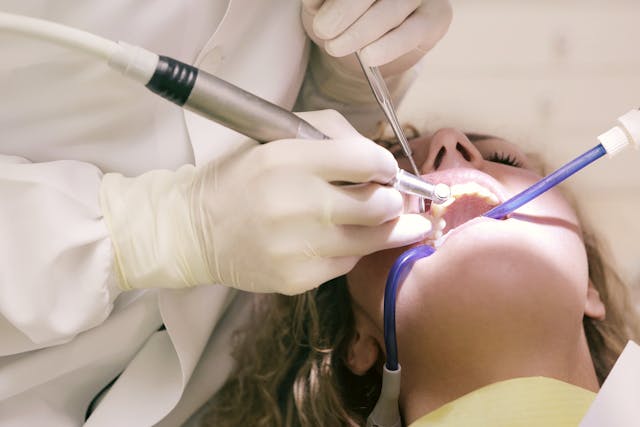
What are the facts regarding saving natural teeth through root canals? When a tooth becomes severely decayed or infected, many patients assume extraction is the only option. However, modern endodontic treatment offers a powerful alternative: the root canal. Root canals are not just about relieving pain—they’re about preserving the structure and function of your natural teeth. In this article, we’ll explore why saving your natural teeth through root canal therapy is often the best decision for your long-term oral health.
Why Natural Teeth Are Worth Saving
Your natural teeth are uniquely designed to support proper function, aesthetics, and jaw health. Replacing them—even with high-quality dental implants—can never fully replicate the biological performance of a natural tooth. Here’s why natural tooth preservation matters:
- Chewing Efficiency: Natural teeth maintain optimal biting and chewing ability, helping you eat comfortably and enjoy a full range of foods.
- Jawbone Health: A natural tooth root helps stimulate and preserve jawbone tissue. When a tooth is extracted, bone loss in the area is likely to follow.
- Maintains Natural Alignment: Saving your tooth helps keep surrounding teeth in place, preventing shifting and bite issues.
- Preserves Facial Structure: Tooth loss can lead to sunken cheeks and premature aging. Keeping your natural teeth helps maintain your facial profile.
What Is Root Canal Treatment?
Root canal therapy is a dental procedure that treats infection or inflammation within the pulp (inner tissue) of a tooth. Instead of extracting the tooth, an endodontist removes the infected pulp, cleans the root canal space, and seals the tooth to prevent future infection.
- Diagnosis: The endodontist uses digital imaging to assess the extent of infection.
- Cleaning: The infected pulp is removed, and the canals are disinfected.
- Sealing: The canals are filled with a biocompatible material and sealed.
- Restoration: A crown or filling is placed to restore the tooth’s function and appearance.
Advantages of Choosing a Root Canal Over Extraction
While both root canals and extractions are effective treatments, preserving your natural tooth offers numerous advantages:
- Less Invasive: A root canal is less traumatic to the surrounding bone and gum tissue compared to an extraction followed by a prosthetic replacement.
- More Cost-Effective Long-Term: Although root canals may seem more expensive initially, avoiding tooth replacement options (like implants or bridges) can reduce costs over time.
- Quick Recovery: Most patients recover quickly from root canal treatment and experience immediate relief from pain.
- High Success Rate: Root canals have a long track record of success when properly performed and restored with a crown or filling.
Signs You Might Need a Root Canal
If you experience any of the following symptoms, it may be time to consult an endodontist:
- Severe, lingering tooth pain—especially when chewing
- Extreme sensitivity to hot or cold
- Swollen or tender gums near a tooth
- Darkening or discoloration of a tooth
- Recurring pimples or abscesses on the gum
Conclusion
Root canal therapy is not just a treatment—it’s a way to preserve the natural foundation of your smile. Saving your tooth helps retain its natural function, protects your overall dental structure, and eliminates pain caused by infection or inflammation. Choosing a root canal over extraction, when appropriate, is a decision that prioritizes your long-term oral health.
Preserve Your Smile with Expert Endodontic Care in NYC
At Bryant Park Endodontics, Dr. Young Bui and our team specialize in advanced root canal therapy to save natural teeth whenever possible. We’re committed to delivering comfortable, effective care using the latest technologies and techniques.
Schedule your consultation today and take the first step toward preserving your natural smile:
Bryant Park Endodontics
Young Bui, DDS
30 East 40th Street Suite 1201
New York, NY 10016
Phone: 646-205-3045
Email: Drendo4u@yahoo.com
Website: https://youngbuidds.com
Root Canals vs. Tooth Extractions: Making the Right Choice
How do you choose between root canals vs tooth extractions? When a tooth becomes severely decayed, infected, or damaged, your dentist may present you with two main options: a root canal or a tooth extraction. Understanding the differences between these two treatments—and the long-term impact of each—can help you make an informed decision that supports your oral health and overall well-being.
What Is a Root Canal?
A root canal is a procedure performed by an endodontist to save a tooth that has become infected or inflamed in its pulp (the innermost layer). The procedure involves:
- Removing the infected or damaged pulp
- Cleaning and disinfecting the root canal space
- Sealing the tooth with a biocompatible material
- Restoring the tooth with a crown or filling to protect it
Benefits of a Root Canal:
- Preserves your natural tooth
- Maintains normal chewing function and jaw structure
- Eliminates pain while maintaining aesthetics
- High success rate with long-term stability
What Is a Tooth Extraction?
A tooth extraction involves removing the entire tooth from its socket. This procedure is typically recommended when a tooth is too damaged to be saved or when infection has spread extensively.
- Local anesthesia is used to numb the area
- The tooth is gently loosened and removed from the socket
- The area is disinfected and sutured (if needed)
- In most cases, tooth replacement options like implants or bridges are considered afterward
Reasons for Extraction Over a Root Canal:
- Tooth is too structurally compromised to restore
- Severe bone loss around the tooth
- Persistent infection despite prior root canal therapy
- Cost considerations in the short term
Comparing Long-Term Outcomes
| Aspect | Root Canal | Tooth Extraction |
|---|---|---|
| Preserves Natural Tooth | ✅ Yes | ❌ No |
| Chewing Efficiency | Maintained | May decrease without replacement |
| Aesthetics | Natural look preserved | May require prosthetic restoration |
| Cost Over Time | Moderate, especially if crown is needed | May increase with implant or bridge |
| Healing Time | Minimal recovery needed | Longer, especially with surgical extractions |
Which Option Is Right for You?
Choosing between a root canal and an extraction depends on multiple factors:
- The extent of the tooth damage or infection
- The strategic importance of the tooth (e.g., molars vs. wisdom teeth)
- Your overall oral and general health
- Budget and insurance coverage
- Your long-term goals for your smile and function
Root canal therapy is generally preferred when the tooth can be saved. However, extraction may be the better choice if the tooth is beyond repair or poses a risk to adjacent teeth and tissues.
Conclusion
Root canals and extractions are both effective solutions for managing severe tooth damage or infection. However, preserving your natural tooth with a root canal often leads to better long-term results in terms of functionality, appearance, and oral health. Consulting with an experienced endodontist can help you weigh the options and choose the treatment that’s best for your situation.
Get Expert Advice from NYC’s Trusted Endodontic Team
At Bryant Park Endodontics, Dr. Young Bui and our team specialize in advanced root canal therapy and diagnostic care to help you make the right decision for your oral health. If you’re experiencing pain, sensitivity, or have been told you need a root canal or extraction, we’re here to guide you through every step.
Schedule your consultation today:
Bryant Park Endodontics
Young Bui, DDS
30 East 40th Street Suite 1201
New York, NY 10016
Phone: 646-205-3045
Email: Drendo4u@yahoo.com
Website: https://youngbuidds.com
Caring for Your Tooth After a Root Canal
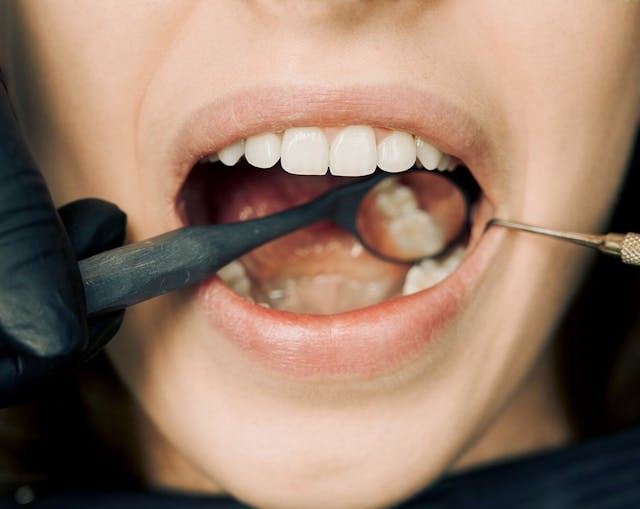
In this article, we’ll guide you through everything you need to know about caring for your tooth after a root canal to promote a smooth and speedy recovery. A root canal is a highly effective procedure used to save a damaged or infected tooth. While the treatment removes the source of pain and infection, proper aftercare is crucial to ensure the tooth heals properly and remains healthy long term.
What to Expect After a Root Canal
Following the procedure, it’s normal to experience some sensitivity, mild discomfort, or tenderness around the treated tooth. These symptoms typically subside within a few days and can be managed with over-the-counter pain medication as directed by your dentist or endodontist.
Post-Procedure Care Tips
-
Wait Until the Numbness Wears Off
Avoid chewing or drinking anything hot until the local anesthesia completely wears off. This prevents accidental biting of your tongue or cheek and reduces the risk of burns or irritation.
-
Eat Soft Foods
Stick to soft, non-chewy foods for the first few days. Great options include soup, mashed potatoes, yogurt, eggs, smoothies, and steamed vegetables. Avoid sticky, crunchy, or hard foods that could damage the temporary filling or tooth.
-
Maintain Oral Hygiene
Continue brushing and flossing as usual, but be gentle around the treated area. Keeping your mouth clean helps prevent infection and supports healing. Consider using an antiseptic mouthwash if recommended by your dentist.
-
Manage Discomfort
It’s common to feel mild pain or pressure in the treated area. Over-the-counter pain medications like ibuprofen or acetaminophen can help. If the discomfort worsens or persists longer than a few days, contact your dentist or endodontist.
-
Avoid Smoking and Alcohol
Smoking can delay healing and increase the risk of complications. Alcohol may interfere with medications and should be avoided for a few days after treatment.
Restoring the Treated Tooth
After a root canal, the treated tooth is typically sealed with a temporary filling. A follow-up appointment is essential to place a permanent restoration—most commonly a dental crown.
- Why You Need a Crown: A crown protects the tooth from fracture, restores full chewing function, and improves long-term durability.
- Don’t Delay Restoration: Delaying the permanent restoration can increase the risk of reinfection or structural damage.
Signs of Complications
Monitor your recovery and contact your dentist or endodontist if you experience any of the following:
- Severe or worsening pain
- Prolonged swelling or tenderness
- Visible swelling or pus in the gums
- Cracked or chipped restoration
Early intervention can prevent complications and ensure the long-term success of your root canal treatment.
Long-Term Care for Your Treated Tooth
Maintaining excellent oral hygiene is key to preserving your treated tooth:
- Brush twice a day with fluoride toothpaste
- Floss daily to remove plaque between teeth
- Visit your dentist every 6 months for check-ups and cleanings
- Protect your teeth from trauma—use a mouthguard if you grind your teeth or play contact sports
Caring for Your Tooth After a Root Canal: Conclusion
A root canal doesn’t just relieve pain—it saves your natural tooth and restores oral health. With proper post-procedure care and long-term maintenance, your treated tooth can last a lifetime. By following your dentist’s instructions, getting the necessary restoration, and practicing good oral hygiene, you’ll set yourself up for a smooth recovery and lasting results.
Need Follow-Up Care or Have Questions?
At Bryant Park Endodontics, Young Bui, DDS, and our experienced team are committed to helping patients recover comfortably and successfully after root canal treatment. Whether you need aftercare support, a follow-up restoration, or have questions about your symptoms, we’re here to help.
Contact us today to schedule your post-root canal appointment:
Bryant Park Endodontics
Young Bui, DDS
30 East 40th Street Suite 1201
New York, NY 10016
Phone: 646-205-3045
Email: Drendo4u@yahoo.com
The Role of Advanced Technology in Modern Endodontics
Let’s explore the role of advanced technology revolutionizing modern endodontics and how they benefit both patients and clinicians. Endodontics has undergone a transformative evolution in recent years, driven by advancements in dental technology. These innovations have made diagnosing and treating complex tooth conditions more accurate, efficient, and comfortable for patients. In modern endodontic practices, like Bryant Park Endodontics, cutting-edge tools are reshaping the way root canal therapy and other procedures are performed—ultimately leading to better outcomes and higher patient satisfaction.
1. Cone Beam Computed Tomography (CBCT)
Cone Beam CT scanning is one of the most significant advancements in endodontics. This 3D imaging technology provides detailed views of teeth, bone structures, and surrounding tissues with far greater clarity than traditional X-rays.
- Benefits:
- Enables precise diagnosis of root fractures, missed canals, or hidden anatomy
- Improves treatment planning, especially in complex cases
- Reduces the risk of retreatment by providing full visual clarity
2. Dental Operating Microscopes
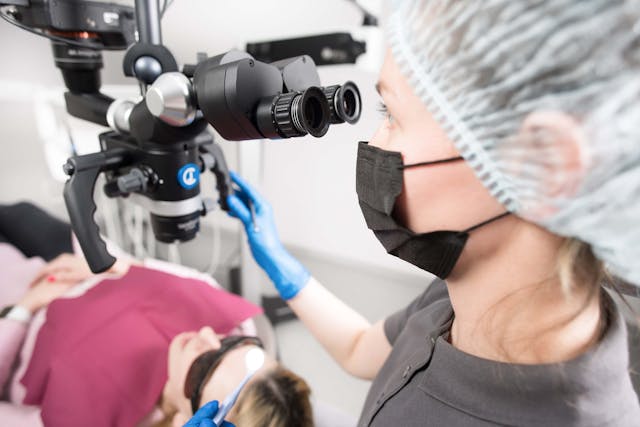
The use of dental microscopes allows endodontists to view the internal anatomy of a tooth at high magnification. This enhanced visibility is critical when locating hidden or calcified canals that could be missed with the naked eye.
- Benefits:
- Greater precision in cleaning and shaping root canals
- Improved detection of fractures or anatomical anomalies
- Higher treatment success rates
3. Digital Radiography
Digital X-rays have replaced traditional film-based imaging in most modern dental offices. These high-resolution images can be viewed instantly and offer lower radiation exposure for patients.
- Benefits:
- Real-time diagnosis and treatment planning
- Enhanced image storage and sharing capabilities
- Reduced environmental waste
4. Nickel-Titanium Rotary Instruments
Traditional hand files have largely been replaced by nickel-titanium (NiTi) rotary instruments. These motor-driven tools are more flexible and efficient, allowing endodontists to clean and shape curved canals with greater ease.
- Benefits:
- Minimizes procedural errors like canal transportation
- Shortens procedure time
- Improves patient comfort
5. Ultrasonic Endodontics
Ultrasonic instruments are used to agitate irrigating solutions and enhance the cleaning of the root canal system. This technology is particularly useful in removing debris from hard-to-reach areas within the tooth.
- Benefits:
- More effective removal of bacteria and debris
- Supports better disinfection and sealing of the canal
6. GentleWave® Technology
GentleWave is an innovative system that uses multisonic energy and fluid dynamics to clean root canals more thoroughly than traditional techniques. It’s particularly beneficial for patients seeking a minimally invasive yet highly effective procedure.
- Benefits:
- Deeper cleaning with less instrumentation
- Preservation of more natural tooth structure
- Reduced post-treatment discomfort
7. Electronic Apex Locators
Apex locators help determine the exact length of the root canal space, ensuring the root canal is filled completely and accurately.
- Benefits:
- Reduces dependence on repeated radiographs
- Improves accuracy in root canal obturation
Advanced Technology in Modern Endodontics: Conclusion
Technology is at the heart of modern endodontics, allowing for safer, faster, and more effective treatments than ever before. From 3D imaging and ultrasonic cleaning to the latest in rotary instrumentation, today’s endodontists have access to tools that were unimaginable a generation ago.
At Bryant Park Endodontics, we are committed to staying on the leading edge of endodontic care by incorporating the latest technology into every aspect of our practice. Whether you need a root canal, retreatment, or trauma care, you can trust that you’re receiving the highest standard of treatment available today.
Experience State-of-the-Art Endodontics in New York City
Discover how advanced technology can make your root canal experience more comfortable and successful. Schedule your appointment with Dr. Young Bui and the experienced team at Bryant Park Endodontics today.
Bryant Park Endodontics
Young Bui, DDS
30 East 40th Street Suite 1201
New York, NY 10016
Phone: 646-205-3045
Email: Drendo4u@yahoo.com
Preventing Tooth Decay and Root Canal Treatments
In this article, we’ll explore ways of preventing tooth decay and avoid the need for root canal treatments. Tooth decay is one of the most common oral health issues affecting both children and adults. Left untreated, it can progress deep into the tooth, potentially reaching the pulp and requiring root canal therapy. The good news? Tooth decay is largely preventable with the right habits and dental care.
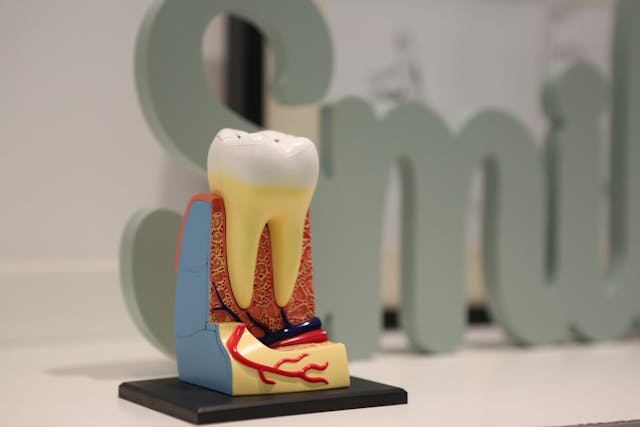
Understanding Tooth Decay and Its Consequences
Tooth decay occurs when harmful bacteria in the mouth produce acids that erode the enamel, leading to cavities. If cavities are not treated in their early stages, decay can penetrate deeper into the tooth, eventually reaching the pulp—the inner soft tissue that houses nerves and blood vessels. When this happens, the pulp can become infected or inflamed, and a root canal treatment may be the only way to save the tooth.
Top Causes of Tooth Decay
- Poor oral hygiene habits
- Frequent consumption of sugary or acidic foods and drinks
- Inadequate fluoride exposure
- Dry mouth or reduced saliva production
- Not visiting the dentist regularly
Tips to Prevent Tooth Decay and Root Canal Therapy
-
Brush and Floss Daily
Brush your teeth at least twice a day using fluoride toothpaste, and floss once daily to remove food particles and plaque from between the teeth and under the gumline.
-
Use Fluoride Products
Fluoride strengthens enamel and helps prevent cavities. Use fluoride toothpaste and consider mouth rinses that contain fluoride for added protection.
-
Limit Sugary and Acidic Foods
Sugars and acids fuel the bacteria responsible for tooth decay. Avoid frequent snacking and minimize sugary drinks like soda and juice. Opt for water and tooth-friendly snacks like cheese, nuts, and vegetables.
-
Stay Hydrated
Drinking plenty of water helps maintain saliva production, which plays a key role in neutralizing acids and washing away food particles.
-
Visit Your Dentist Regularly
Routine dental check-ups and cleanings allow your dentist to catch decay in its early stages and treat it before it requires more extensive care like a root canal.
-
Consider Dental Sealants
Dental sealants are thin, protective coatings applied to the chewing surfaces of back teeth. They’re especially helpful for children but can benefit adults as well by preventing decay in hard-to-clean areas.
When Prevention Isn’t Enough
Despite best efforts, decay can sometimes progress due to genetics, underlying medical conditions, or unnoticed cavities. If a cavity goes untreated and reaches the pulp, you may experience symptoms such as:
- Severe toothache or sensitivity to hot and cold
- Swelling in the gums
- Darkening of the tooth
- A persistent pimple or abscess on the gums
If these signs are present, a root canal may be necessary to save the tooth and prevent extraction.
Preventing Tooth Decay and Root Canal Treatments: Conclusion
Preventing tooth decay is the most effective way to avoid needing a root canal. With proper oral hygiene, regular dental visits, and healthy habits, you can significantly reduce your risk of cavities and preserve your natural teeth for life. Prevention is not only better for your health—it’s also less costly and invasive than treatment.
Partner with Bryant Park Endodontics for Expert Dental Care
At Bryant Park Endodontics, Young Bui, DDS, and our experienced team are committed to helping you maintain healthy teeth and gums. Whether you’re looking to prevent dental issues or need specialized endodontic care, we’re here to provide gentle, expert treatment tailored to your needs.
Ready to prioritize your oral health? Contact us today to schedule an evaluation or consultation:
Bryant Park Endodontics
Young Bui, DDS
30 East 40th Street Suite 1201
New York, NY 10016
Phone: 646-205-3045
Email: Drendo4u@yahoo.com
Website: https://youngbuidds.com